


Lifting equipment keeps industries moving. Cranes raise steel, forklifts shift pallets, and hoists handle machinery every day. These machines power progress, but they also carry risks. A single fault can cause accidents, downtime, or even loss of life.
Regular inspections reduce those risks. They ensure equipment works safely, protect operators, and keep projects running on schedule. In this guide, you will learn why inspections matter, how they protect businesses, and why no company can afford to ignore them.
The Role of Lifting Equipment in Modern Industries
Lifting equipment supports construction, logistics, and manufacturing worldwide.
- Cranes move heavy loads on infrastructure projects.
- Forklifts keep warehouses and ports operating smoothly.
- Hoists and winches support factories and industrial plants.
Each machine carries extreme loads daily. If one part fails, the consequences can escalate quickly. Falling loads may cause injuries or fatalities. Unplanned breakdowns can also delay operations and damage a company’s reputation.
For these reasons, inspections are not optional. They are essential to workplace safety and operational excellence.
Workplace Safety Challenges in High-Growth Industries
Global demand for construction and logistics continues to rise. Rapid growth often increases accident risks.
A 2024 ILO report highlighted that construction and logistics account for nearly 30% of global workplace accidents. (ILO, 2024)
At the same time, investments in workplace safety have reduced injuries worldwide. According to a 2025 Safety & Health Magazine survey, companies that adopted proactive inspection programs saw a 40% drop in equipment-related accidents.
This progress shows one truth: Inspections and compliance programs work. But industries must remain vigilant as projects grow larger and more complex.
Why Regular Lifting Equipment Inspections Matter
Preventing Accidents and Injuries
Inspections detect hazards before they become disasters. Worn chains, cracked hooks, or weak hydraulics all signal danger. Without inspections, these issues remain hidden until failure.
Regular checks prevent falling loads and protect operators. Each inspection reduces the probability of severe accidents.
Ensuring Compliance with Safety Standards
Workplace safety laws grow stricter worldwide. International frameworks like ISO 45001 provide structured guidance. Companies that comply avoid fines, shutdowns, and reputational harm.
Clients and contractors often demand compliance proof before awarding projects. Inspection reports help businesses remain audit-ready.
Boosting Productivity and Equipment Lifespan
Unplanned downtime costs millions. A stalled crane on a project can halt an entire operation. Preventive inspections reduce downtime by resolving issues early.
Properly maintained machines also last longer. This reduces replacement costs and improves return on investment.
Building Trust with Clients and Stakeholders
Strong safety records improve reputation. Certified inspections prove responsibility and professionalism. Contractors trust companies that prioritize safety. Many high-value projects require inspection documentation during bidding.
The Inspection Process Explained
Visual and Functional Checks
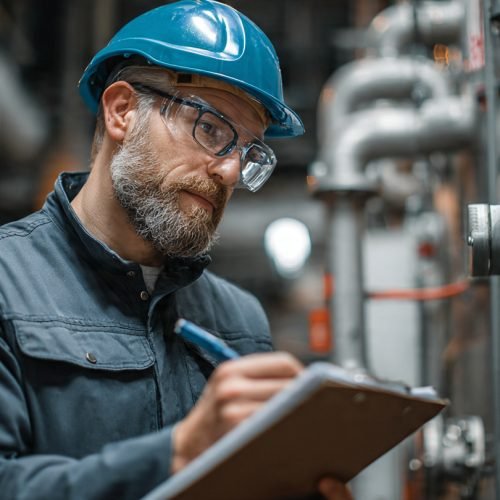
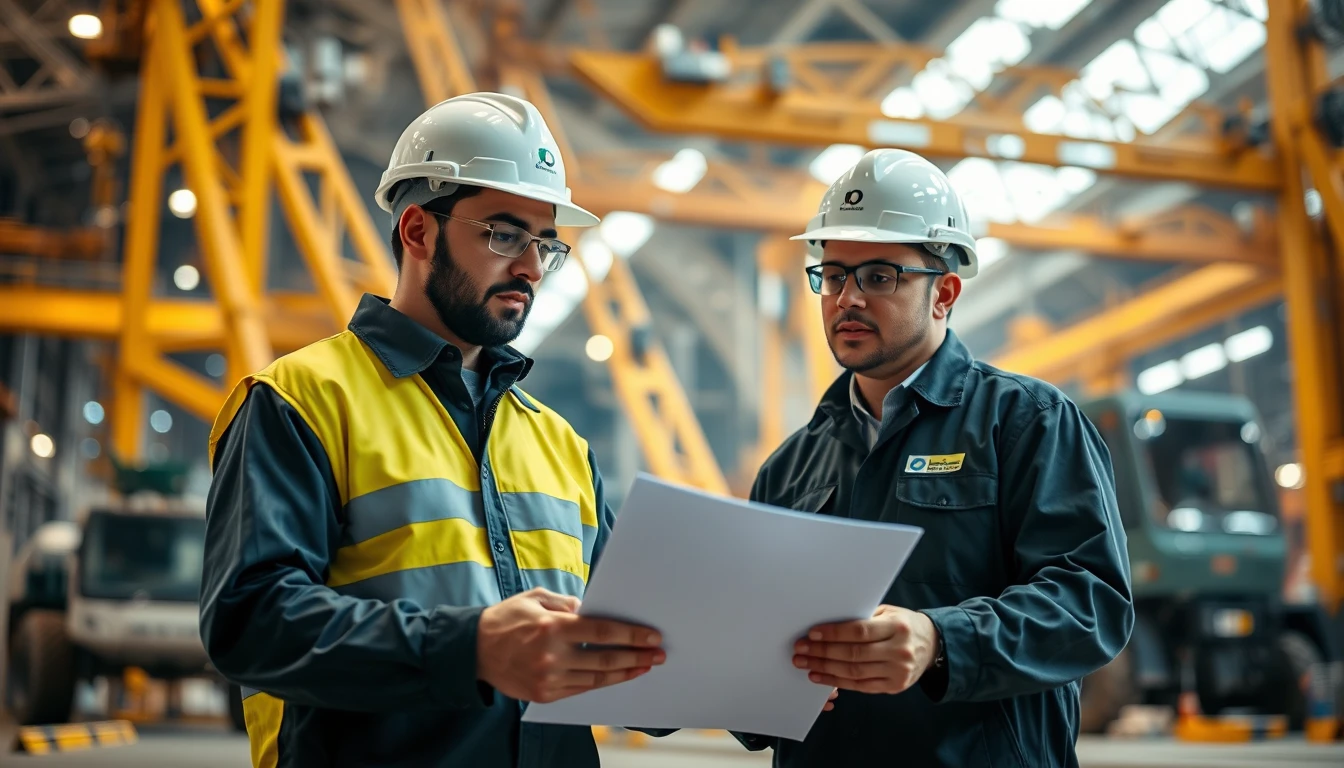
Inspectors review hooks, chains, brakes, and hydraulic systems. They test controls and safety devices to confirm proper function.
Load Testing
Specialists simulate operational loads in controlled conditions. Machines must demonstrate safe handling before certification.
Certification and Reporting
Accredited inspectors issue compliance certificates after reviews. These documents serve as evidence for regulators, clients, and auditors. They also build credibility during tenders.
Global Standards and Local Compliance
Effective inspections combine international standards with local regulations.
- LEEA (Lifting Equipment Engineers Association): Sets global benchmarks for inspection quality.
- ISO Standards: Reinforce safety with structured processes like ISO 45001.
- National Regulations: Align inspections with local laws and industry requirements.
Partnering with accredited providers ensures compliance with both global and regional standards.
Cost of Neglect vs. Cost of Inspection
Skipping inspections often costs far more than conducting them.
The ILO estimates that workplace accidents and illnesses consume 4% of global GDP annually, totaling over $3 trillion in losses. (ILO, 2024)
In several industries, equipment-related accidents have triggered multimillion-dollar claims and significant delays. Beyond financial losses, reputations suffer and workers lose trust.
By contrast, inspection programs represent only a fraction of these costs. Inspections are not expenses; they are strategic investments in people and profits.
Common Barriers Companies Face
“We don’t have time.”
Managers often think inspections slow operations. In reality, breakdowns cause far longer delays than inspections.
“Inspections are expensive.”
The cost of one serious accident outweighs years of inspection fees. Clients also prefer contractors with safety programs.
“We already do maintenance.”
Maintenance fixes issues. Inspections identify risks before breakdowns. Both are essential for full safety coverage.
Why Partner with TUV Westen
Global Expertise with Local Knowledge
We combine international experience with regional understanding. Our inspection reports meet both global standards and local compliance needs.
Comprehensive Services
We inspect cranes, hoists, forklifts, and all major lifting gear. We also train teams to perform basic safety checks.
End-to-End Support
From inspection to certification, we guide companies every step. This support helps businesses move smoothly from compliance to operational excellence.
Sustaining Safety After Certification
- Run internal checks regularly. Train operators to perform daily safety routines.
- Train teams continuously. Refresh training annually and educate new hires early.
- Track safety metrics. Monitor downtime, findings, and corrective actions. Use data for continuous improvement.
Safety is not a one-time achievement. It requires constant effort, monitoring, and improvement.
Conclusion
Lifting equipment powers industries worldwide. Yet without inspections, it can cause accidents, delays, and financial losses. Regular inspections prevent hazards, ensure compliance, extend machine life, and build trust.
In today’s fast-paced industries, inspections are more critical than ever. Protect your workforce, safeguard your operations, and maintain your reputation.
Schedule a free consultation with TUV Westen today.