ISO 9001:2026: Is Your Quality Management System Ready for the Update?
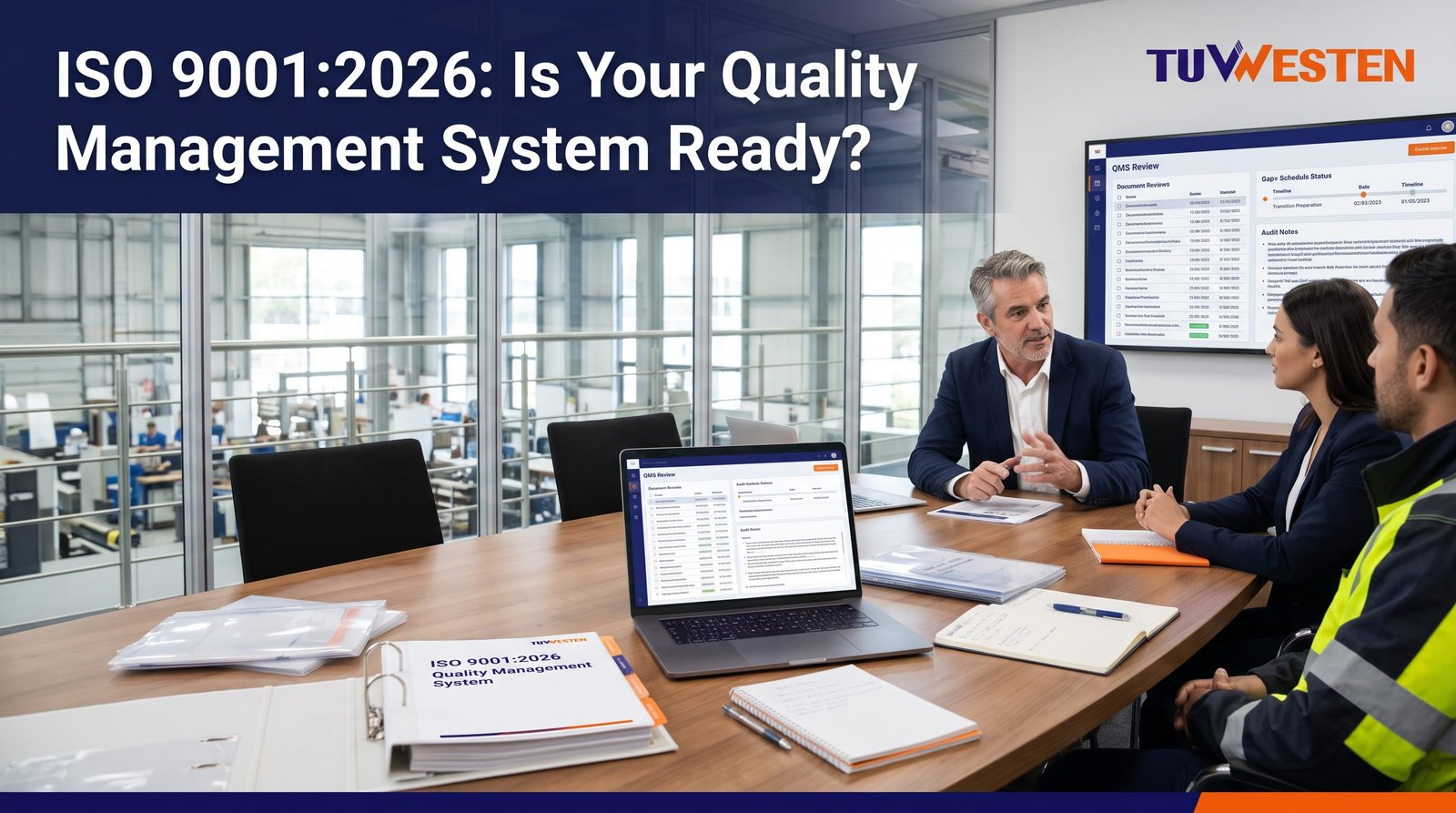
Why Your Existing Quality Management System Needs a Review A quality management system can work well today and still need improvement tomorrow. Changing customer expectations, complex supply chains, new business risks, and evolving operational priorities can expose weaknesses in established processes. That is why the release of ISO 9001:2026 deserves attention from organizations that already … Read more
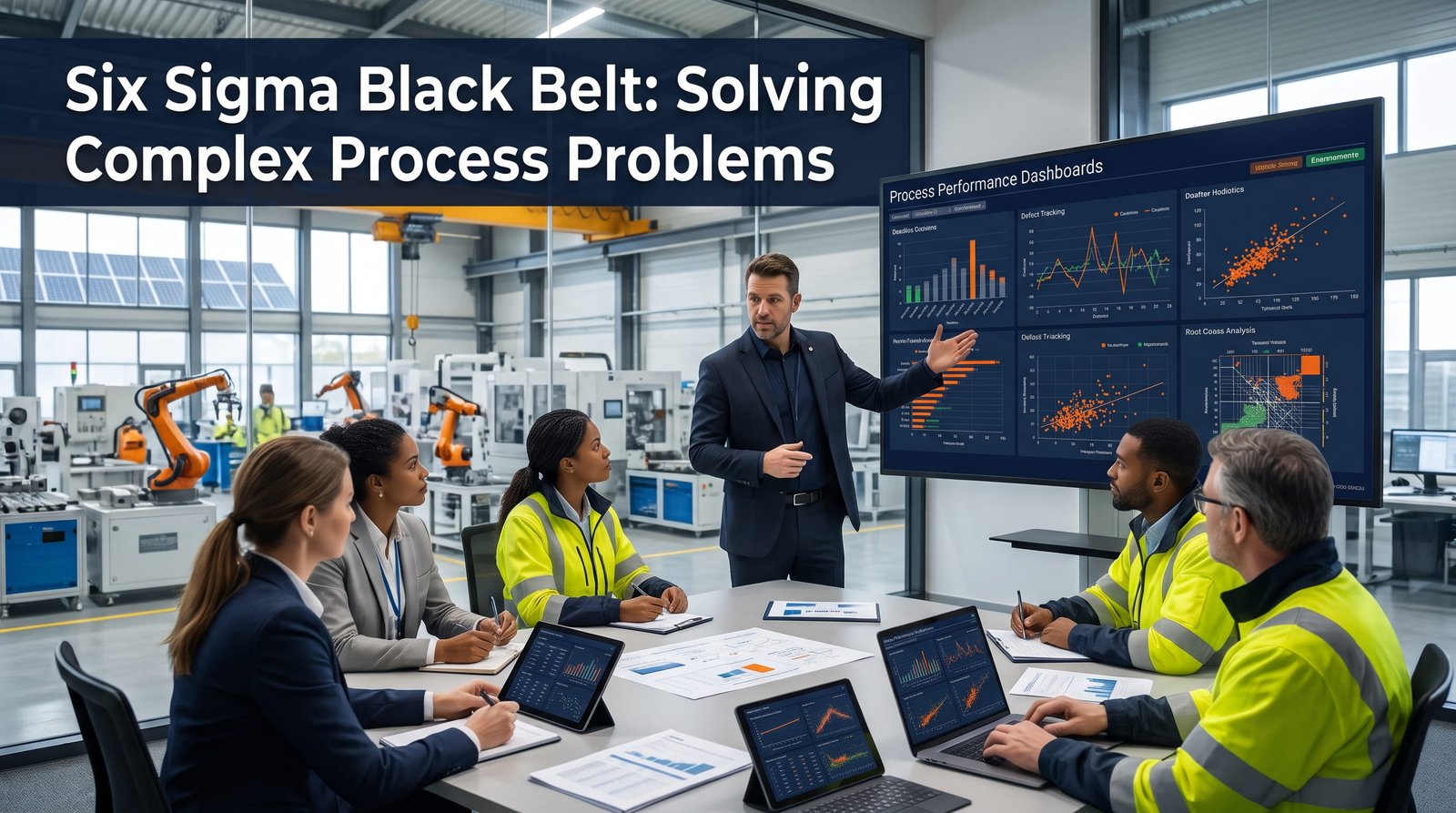
Six Sigma Black Belt: Solving the Problems Behind Poor Performance

A process can meet its targets today and still create problems tomorrow. Defects return, costs increase, delays become routine, and teams spend valuable time correcting the same mistakes. These issues often persist because organizations address visible symptoms without identifying the factors driving poor performance. This is where Six Sigma Black Belt expertise becomes valuable. Black … Read more

What Does Environmental Inefficiency Cost? Understanding ISO 14001

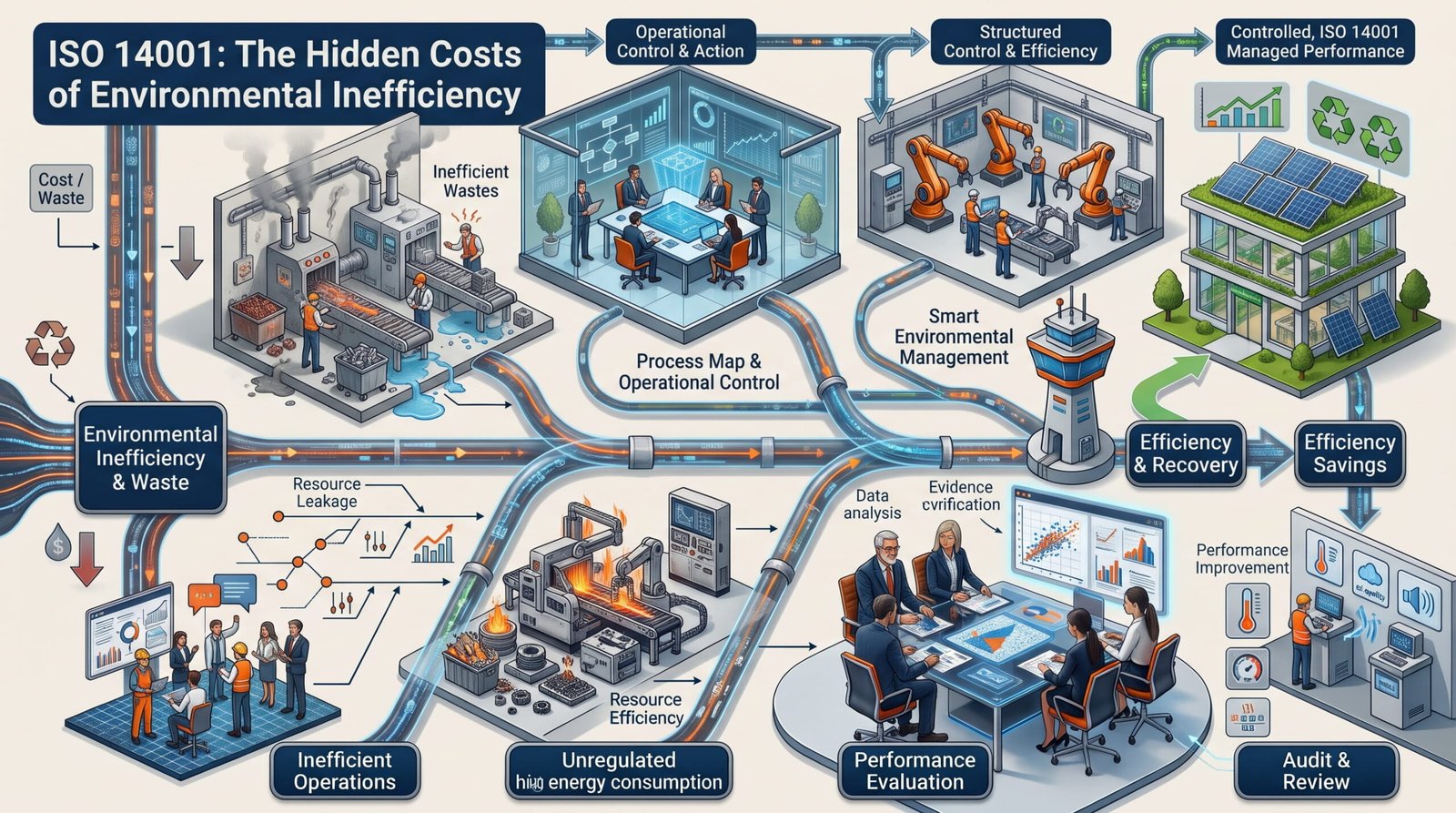
Environmental inefficiency often costs organizations more than they realize. Excessive energy consumption, material waste, inefficient water use, and poorly controlled processes can quietly increase operating expenses while affecting environmental performance. These problems rarely exist in isolation. A production process that consumes unnecessary materials may also generate more waste. Poor equipment maintenance can increase energy consumption, … Read more

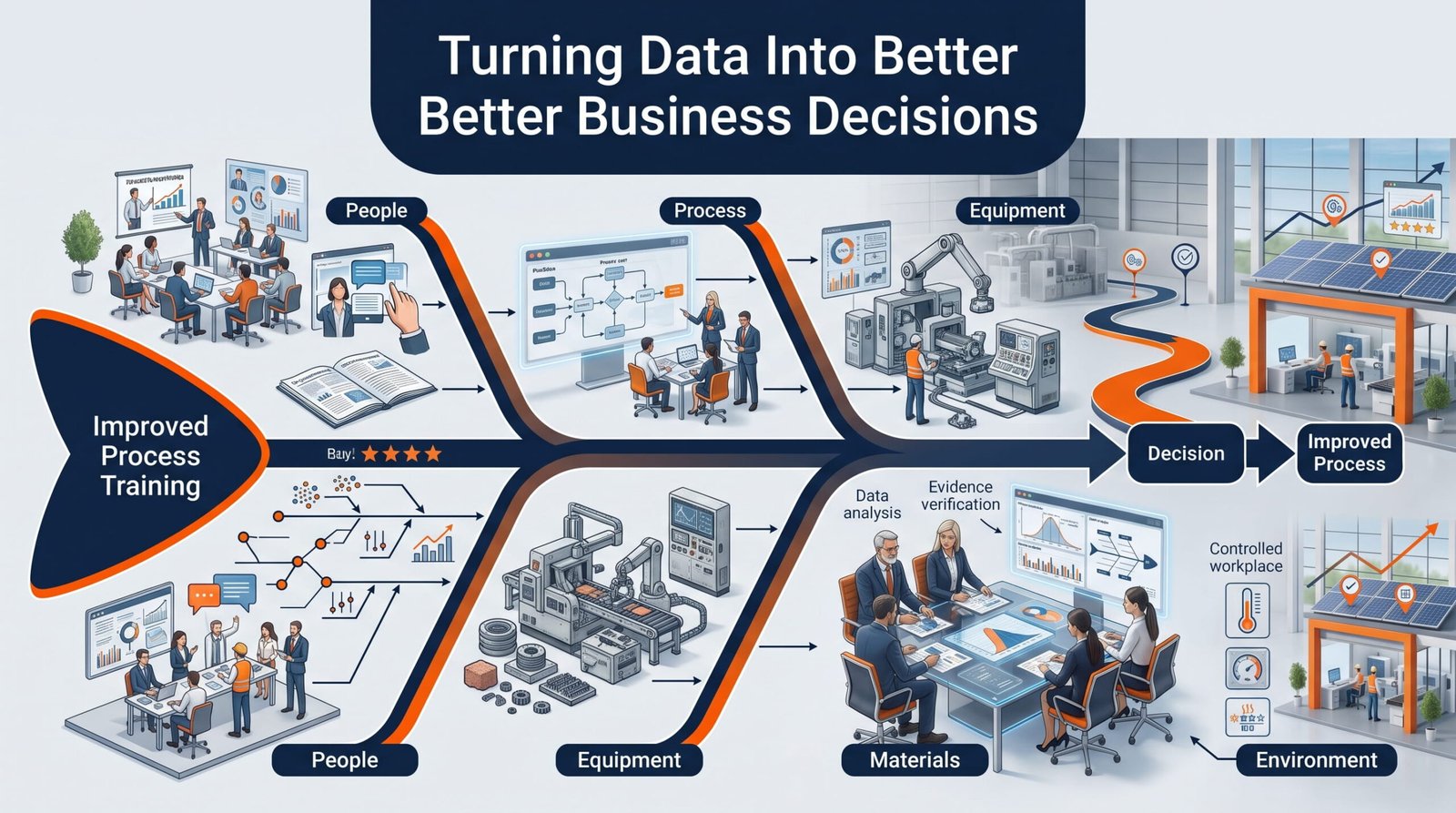
How Six Sigma Black Belts Turn Data Into Better Business Decisions

Business decisions often rely on experience, intuition, and historical performance. These factors matter, but they may not explain why a process performs inconsistently or where improvement will create the greatest value. Six Sigma Black Belts take a different approach. They use data to understand process behavior, identify variation, validate root causes, and evaluate improvement opportunities. … Read more

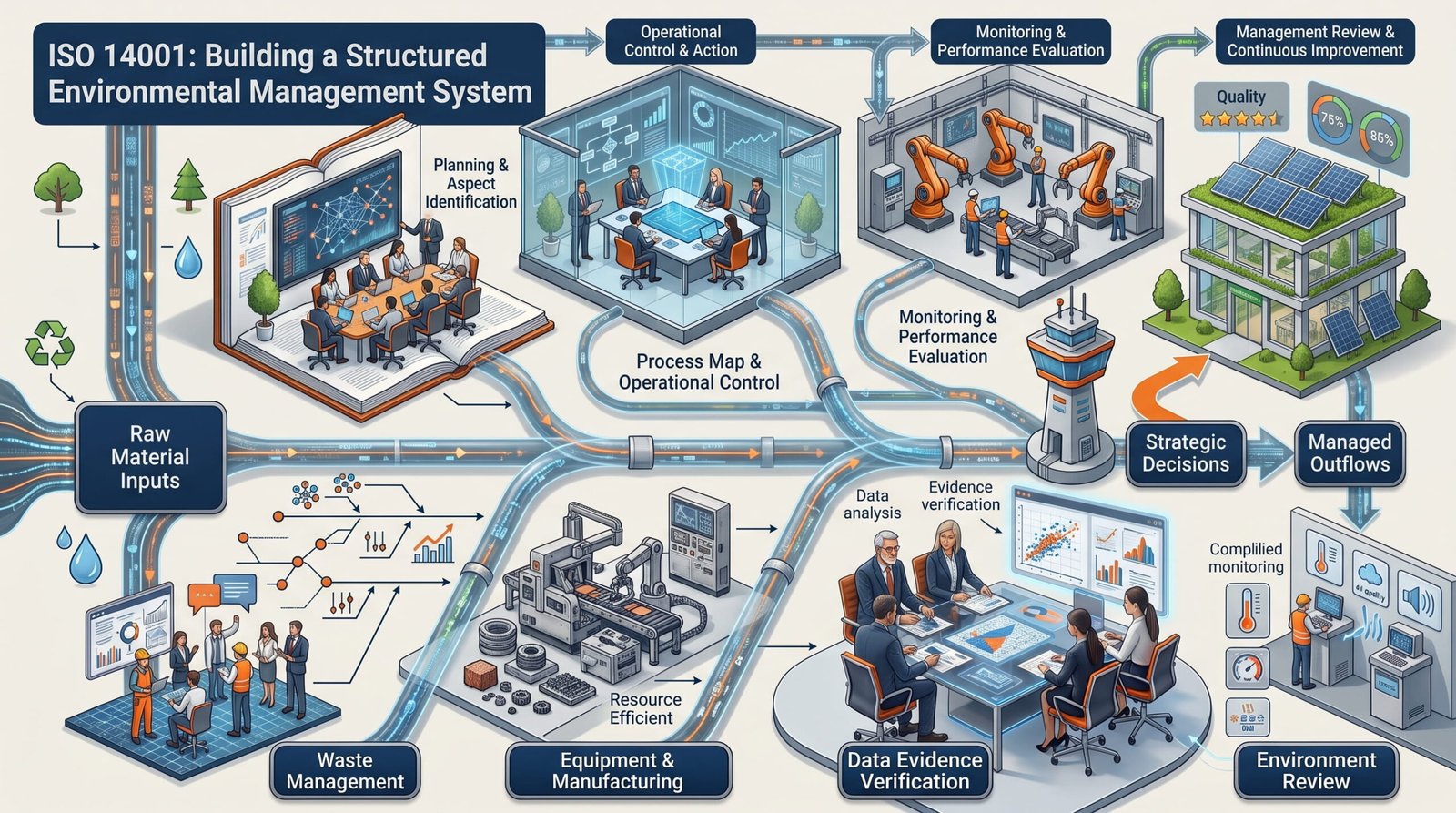
ISO 14001: Building a Structured Environmental Management System

Environmental performance is becoming an increasingly important part of business management. Organizations must consider resource use, waste, emissions, pollution risks, regulatory obligations, and changing environmental conditions while maintaining operational efficiency. However, environmental improvement requires more than isolated initiatives. Organizations need a systematic way to identify environmental impacts, establish objectives, monitor performance, and improve their processes. … Read more

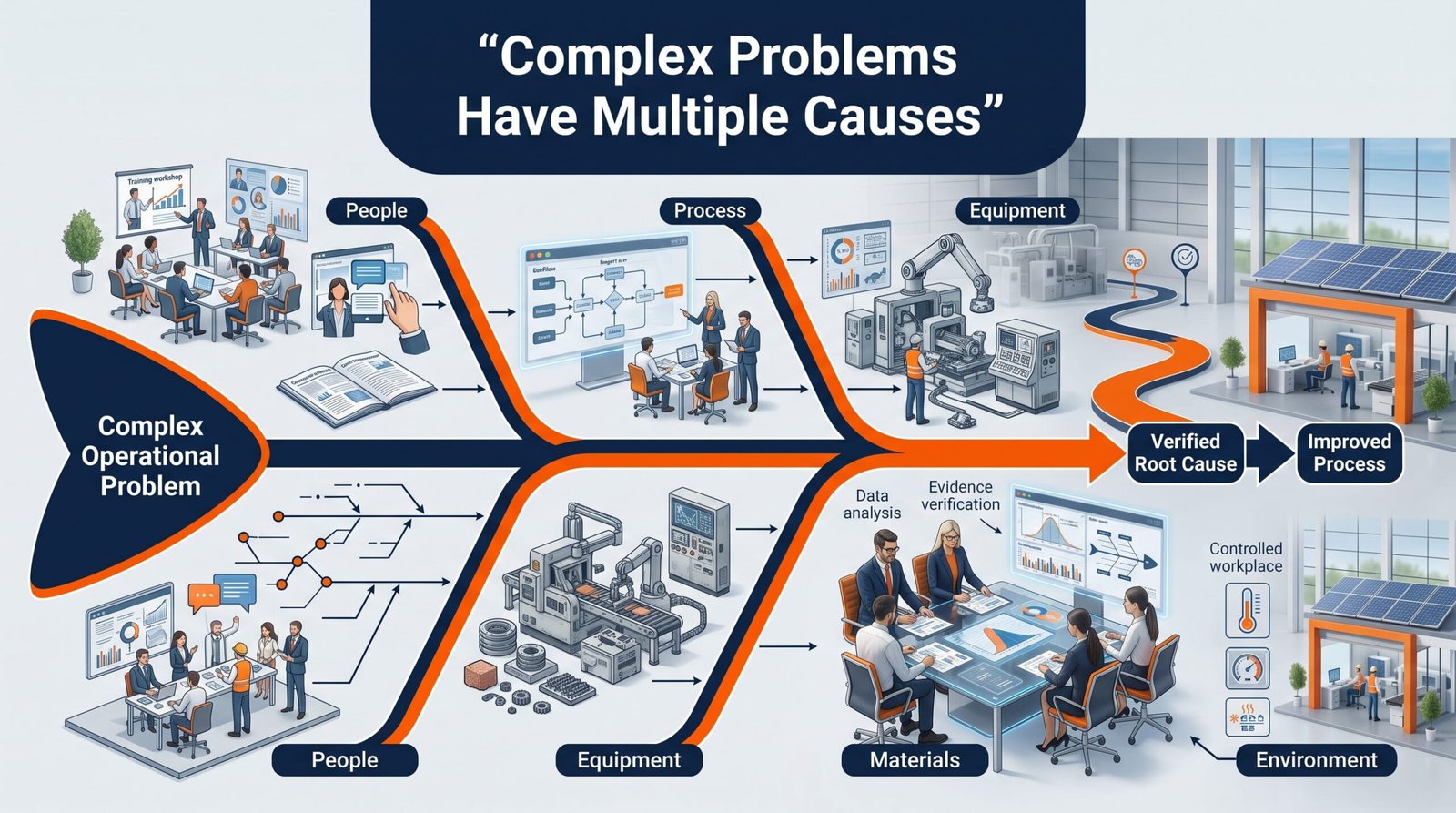
Complex Problems Have Multiple Causes: Using Fishbone Analysis

Complex problems rarely come from a single source. A recurring defect may involve employee practices, process weaknesses, equipment conditions, material quality, or the working environment. When teams focus on only one factor, they may solve a symptom without addressing the conditions that created the problem. This is why Root Cause Analysis (RCA) requires a structured … Read more

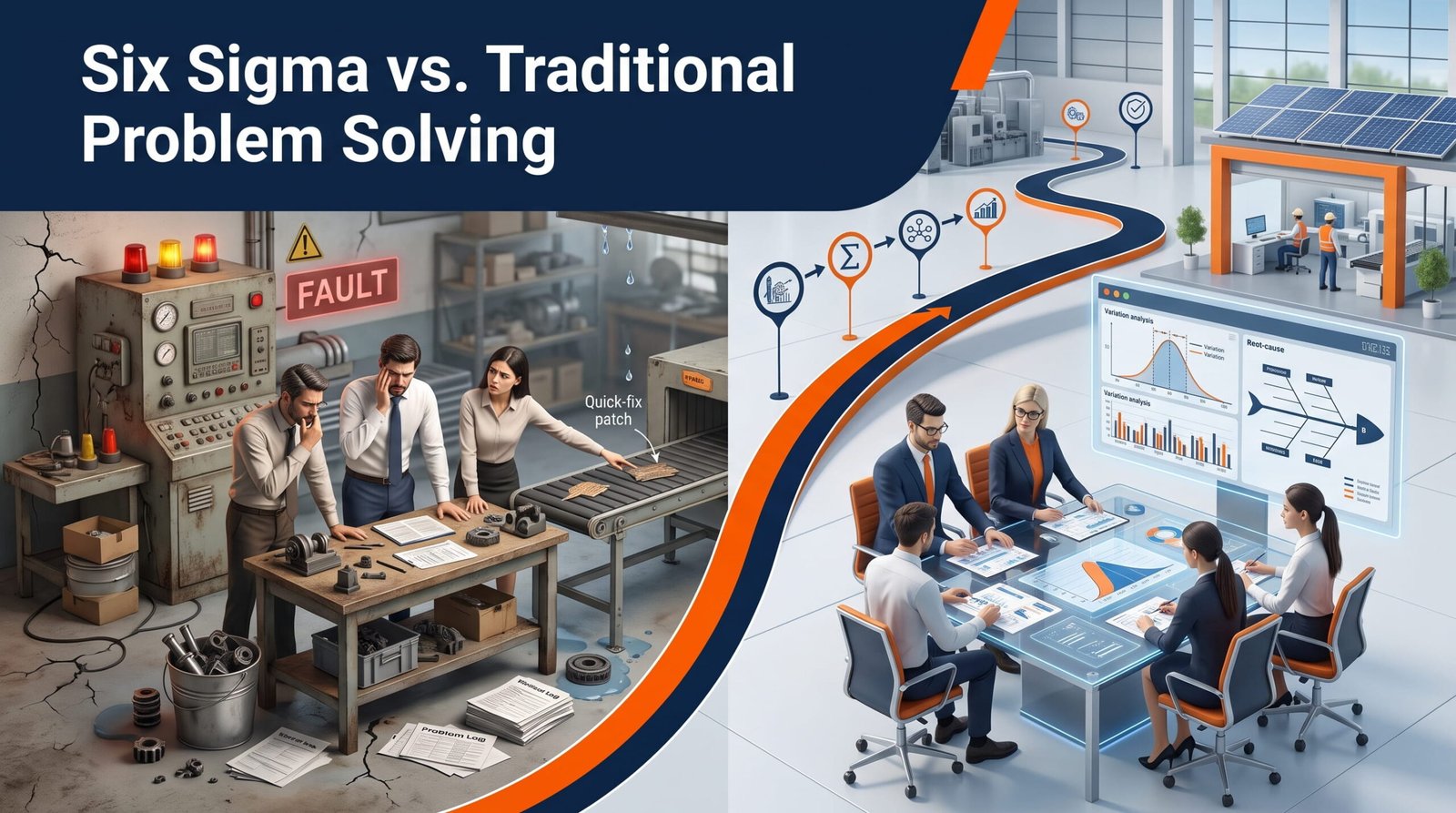
Six Sigma vs. Traditional Problem Solving: What Makes the Difference?

Every organization faces problems. Delays, defects, customer complaints, process variation, waste, and recurring errors can affect performance at any level. The real challenge is not always identifying a problem. It is determining whether the solution will actually prevent it from returning. Traditional problem solving often focuses on fixing the immediate issue. This approach can work … Read more

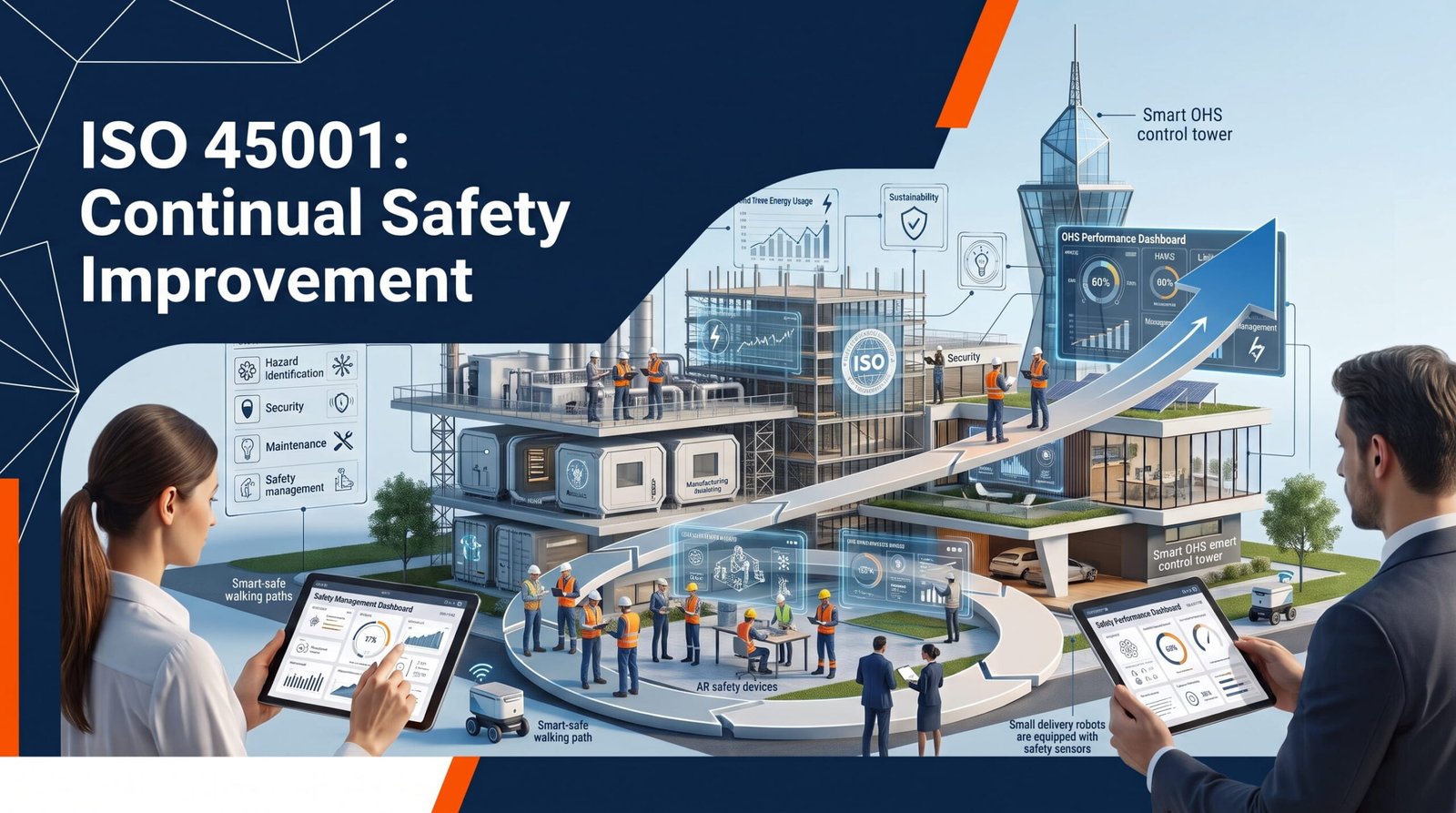
Strong Safety Systems Never Stand Still: How ISO 45001 Drives Continual Improvement

Introduction Workplace safety cannot remain static. Risks change as organizations introduce new equipment, processes, technologies, employees, and operating environments. A safety system that works today may require improvement tomorrow. This is why ISO 45001 places continual improvement at the center of occupational health and safety management. The standard provides organizations with a structured approach to … Read more

Why ISO 41001 Is Shaping the Future of Smart Facility Management

Introduction Facilities are no longer viewed as supporting assets that simply keep buildings operational. Today, they play a strategic role in business performance, employee well-being, operational resilience, and sustainability. As organizations evolve, so do the expectations placed on facility management. It is no longer enough to react to maintenance issues or manage physical infrastructure. Modern … Read more

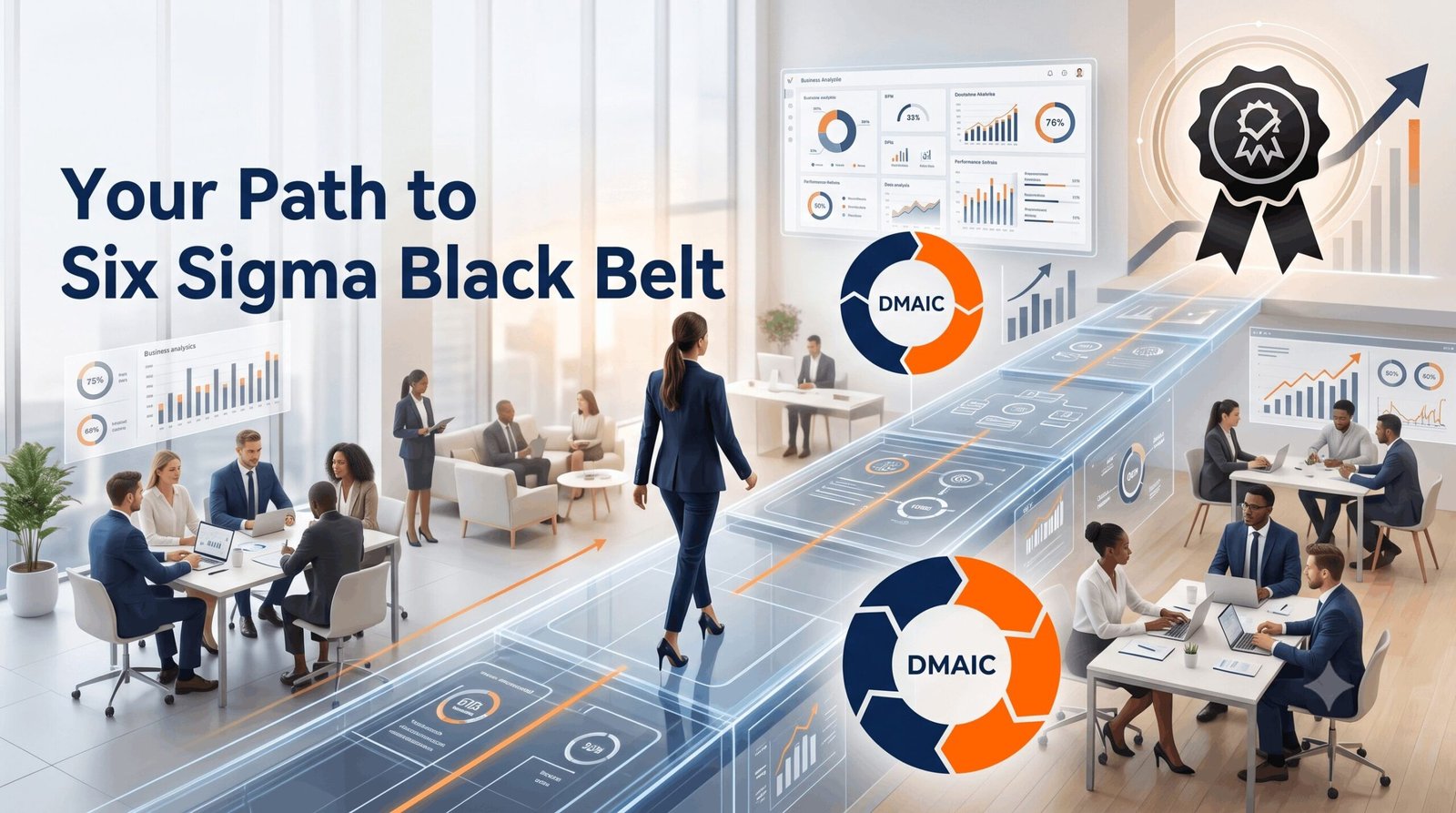
Your Path to Six Sigma Black Belt

Introduction Organizations today need more than experienced professionals. They need leaders who can solve complex business problems, improve operational performance, and deliver measurable results. As industries become more competitive and customer expectations continue to rise, organizations are investing in professionals who can lead change through structured improvement methodologies. The Six Sigma Black Belt certification is … Read more