Complex Problems Have Multiple Causes: Using Fishbone Analysis
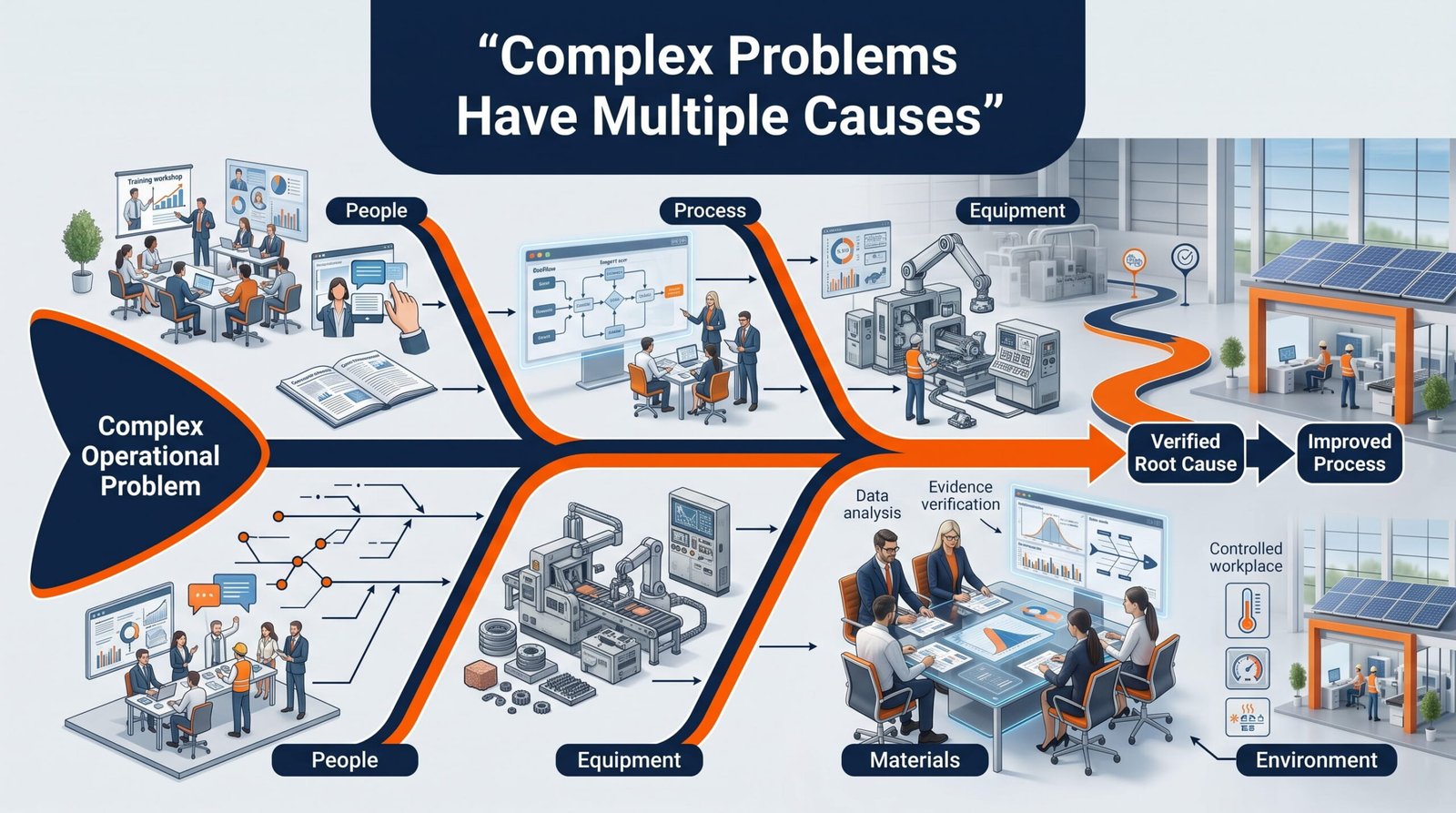
Complex problems rarely come from a single source. A recurring defect may involve employee practices, process weaknesses, equipment conditions, material quality, or the working environment. When teams focus on only one factor, they may solve a symptom without addressing the conditions that created the problem. This is why Root Cause Analysis (RCA) requires a structured … Read more
Six Sigma vs. Traditional Problem Solving: What Makes the Difference?

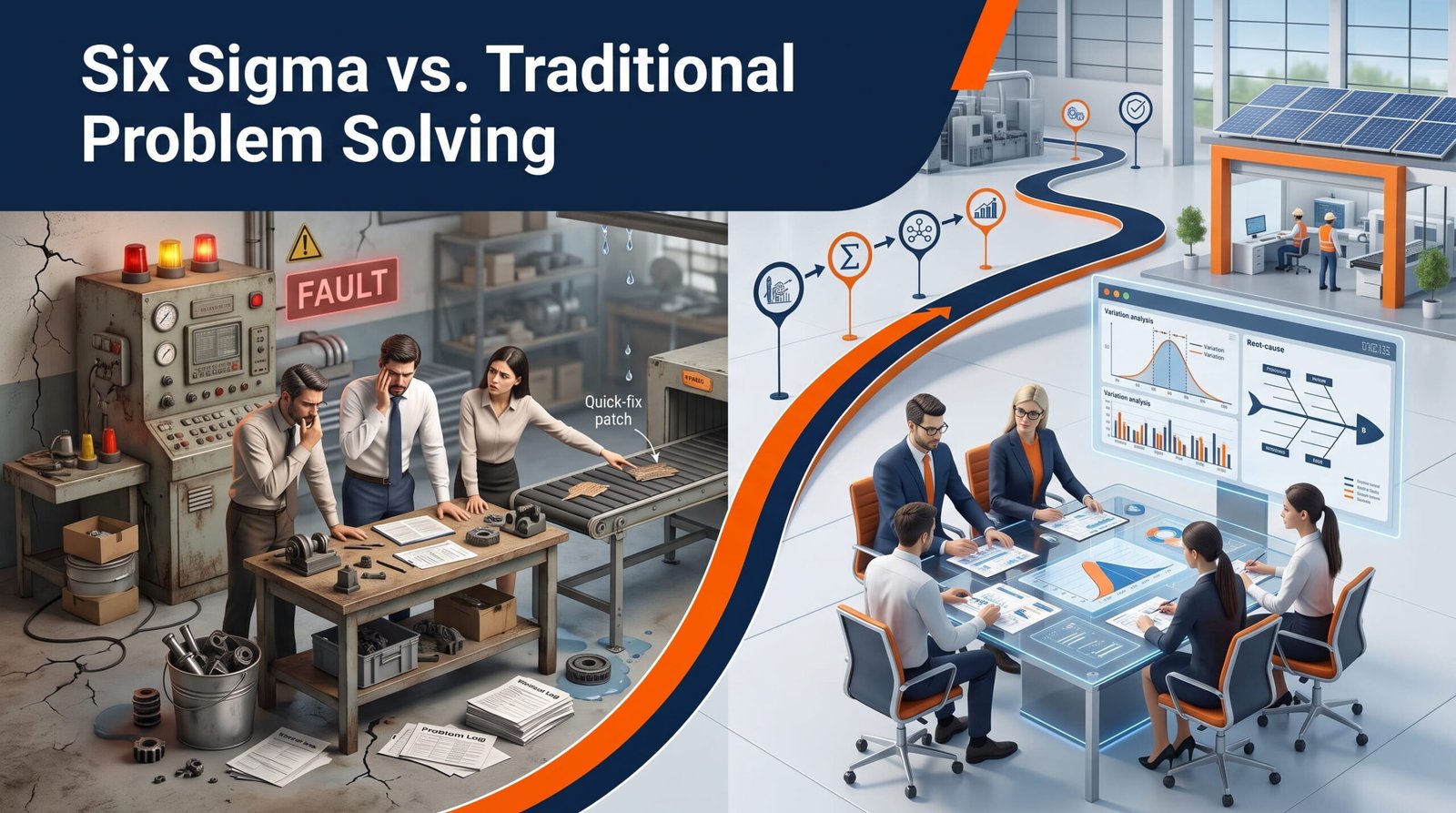
Every organization faces problems. Delays, defects, customer complaints, process variation, waste, and recurring errors can affect performance at any level. The real challenge is not always identifying a problem. It is determining whether the solution will actually prevent it from returning. Traditional problem solving often focuses on fixing the immediate issue. This approach can work … Read more

Strong Safety Systems Never Stand Still: How ISO 45001 Drives Continual Improvement

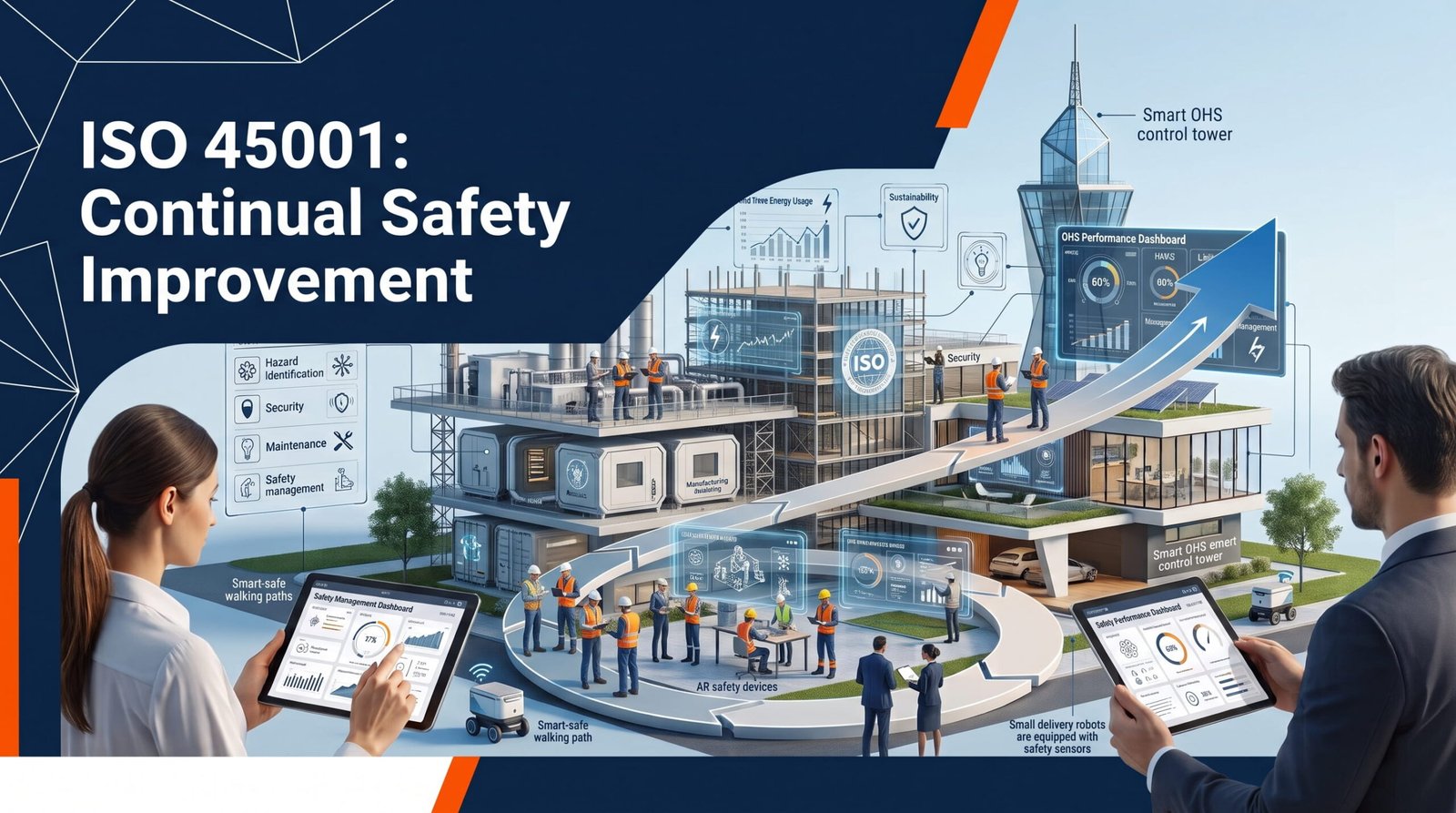
Introduction Workplace safety cannot remain static. Risks change as organizations introduce new equipment, processes, technologies, employees, and operating environments. A safety system that works today may require improvement tomorrow. This is why ISO 45001 places continual improvement at the center of occupational health and safety management. The standard provides organizations with a structured approach to … Read more

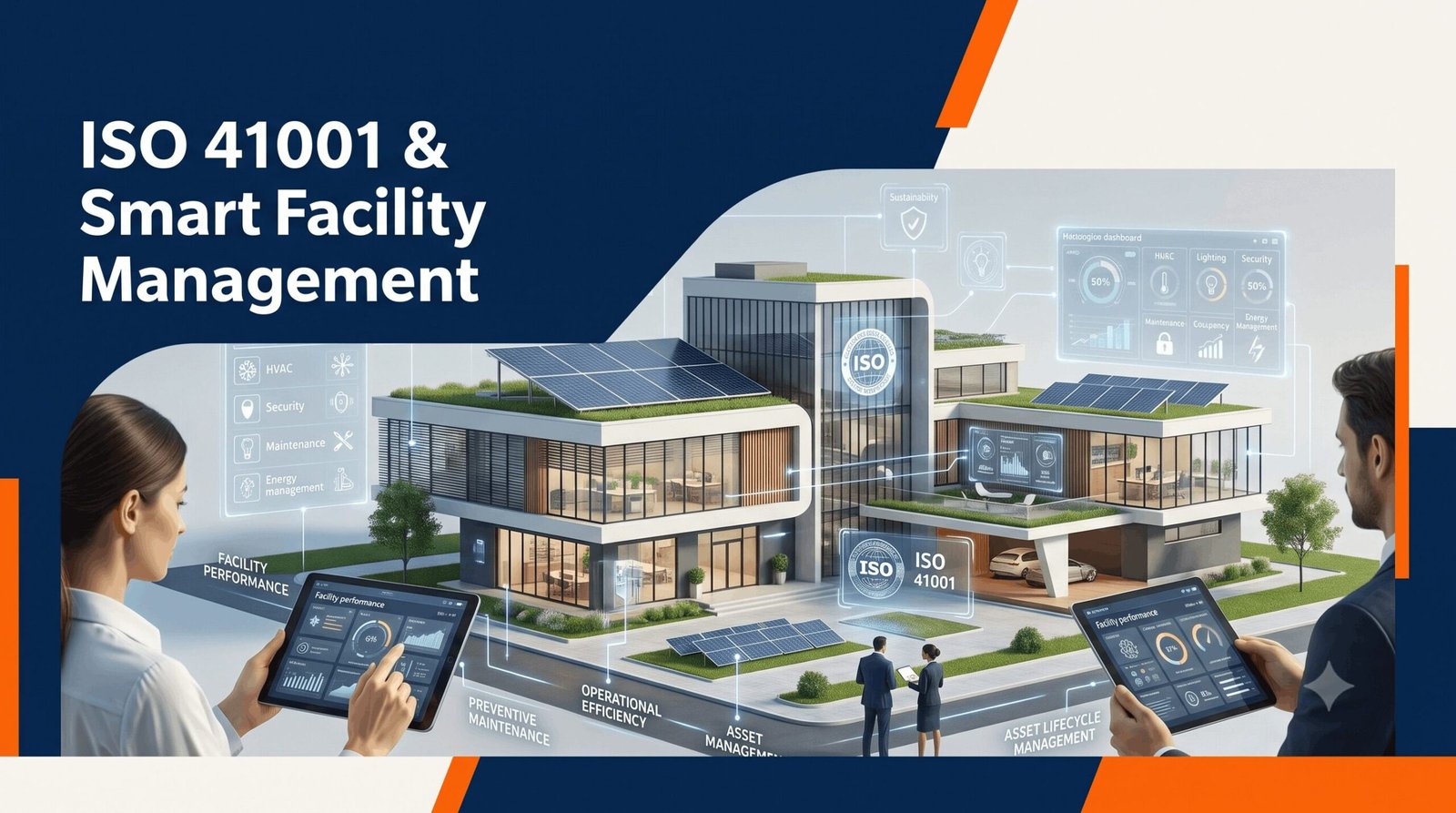
Why ISO 41001 Is Shaping the Future of Smart Facility Management

Introduction Facilities are no longer viewed as supporting assets that simply keep buildings operational. Today, they play a strategic role in business performance, employee well-being, operational resilience, and sustainability. As organizations evolve, so do the expectations placed on facility management. It is no longer enough to react to maintenance issues or manage physical infrastructure. Modern … Read more

Your Path to Six Sigma Black Belt

Introduction Organizations today need more than experienced professionals. They need leaders who can solve complex business problems, improve operational performance, and deliver measurable results. As industries become more competitive and customer expectations continue to rise, organizations are investing in professionals who can lead change through structured improvement methodologies. The Six Sigma Black Belt certification is … Read more

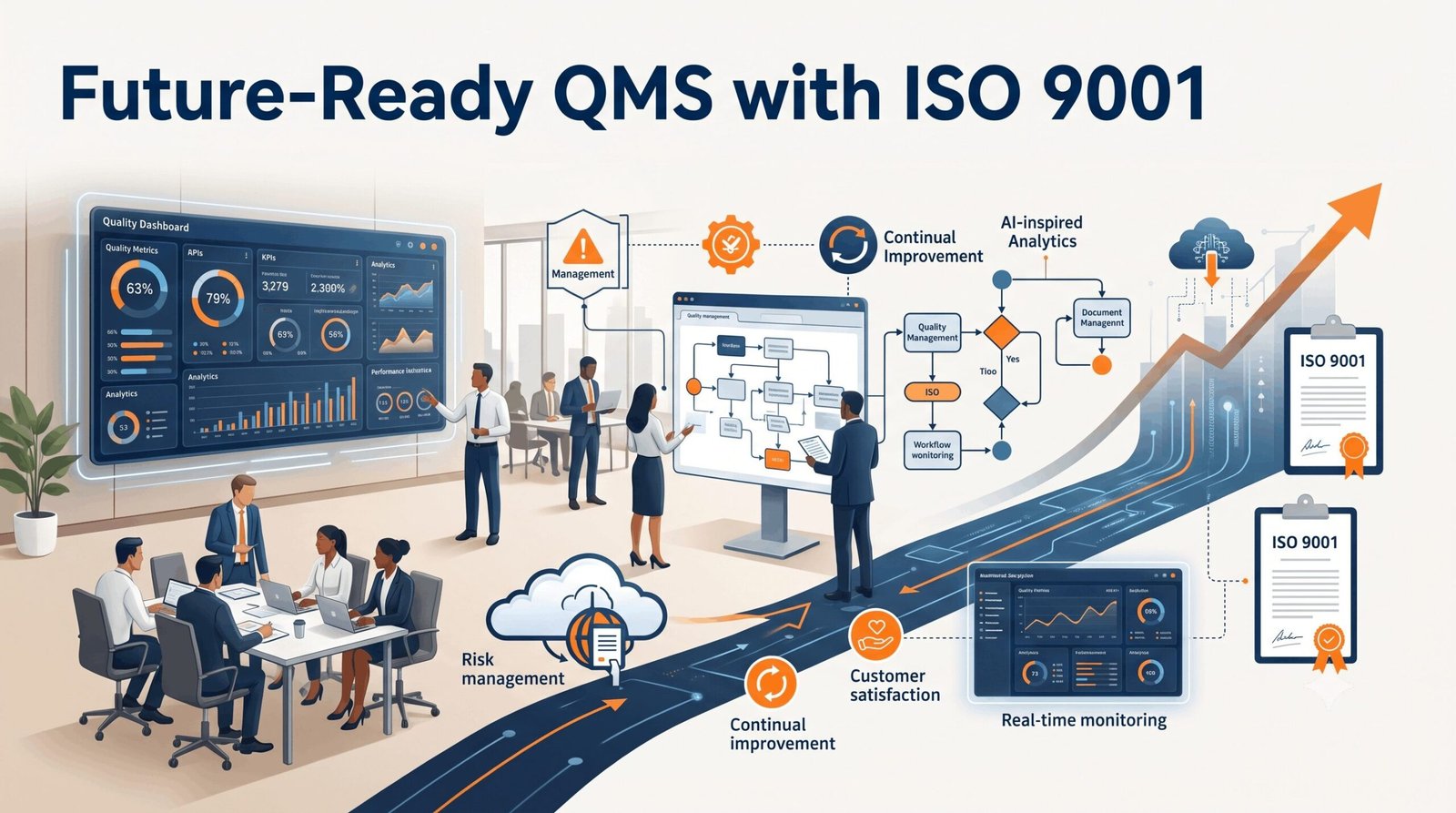
Preparing Your QMS for the Future with ISO 9001

Introduction Quality management is evolving faster than ever. Organizations are no longer judged solely on the quality of their products or services but on their ability to adapt, innovate, and consistently deliver value in a rapidly changing business environment. A Quality Management System (QMS) that worked five years ago may no longer be enough to … Read more

The 7 Phases of ISO 9001 Consulting: From Gap Analysis to Certification

Achieving ISO 9001 certification is often viewed as the finish line. In reality, certification is the result of a structured journey that transforms how an organization manages quality, processes, and continuous improvement. Many organizations begin the process with strong intentions but struggle to understand where to start, what documentation is required, how audits work, and … Read more

How ISO 14001 Supports Sustainable Business Growth

Sustainable growth has become a strategic priority for organizations across industries. Businesses are increasingly expected to balance economic success with environmental responsibility while meeting the expectations of customers, regulators, investors, and other stakeholders. Organizations that fail to address environmental concerns often face higher operational risks, regulatory challenges, and reputational damage. However, sustainability is not simply … Read more

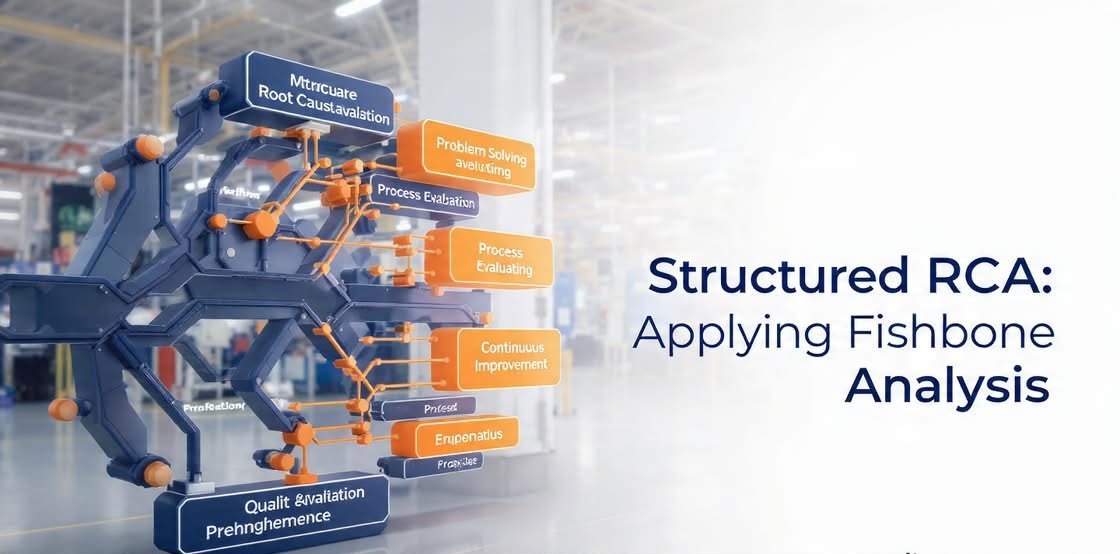
Structured RCA: Applying Fishbone Analysis to Prevent Operational Errors

Structured problem-solving is what separates reactive organizations from high-performing ones. Many businesses repeatedly face the same operational errors because they focus on fixing symptoms rather than identifying the true underlying causes. Over time, this leads to inefficiencies, increased costs, and declining process reliability. Root Cause Analysis (RCA) provides a structured approach to break this cycle. … Read more